In a world where technology is practically glued to our hands, wearable tech is taking convenience to a whole new level. Imagine strapping a mini-computer to your wrist or donning a pair of glasses that can practically read your mind—okay, maybe not quite that far. But these gadgets are transforming everyday life, making it easier to track fitness, monitor health, and even receive notifications without pulling out a phone.
Table of Contents
ToggleExamples of Wearable Technology
Smartwatches serve as multifunctional devices that track fitness metrics, display notifications, and facilitate calls. Popular models, like the Apple Watch and Samsung Galaxy Watch, include features such as heart rate monitoring and GPS tracking.
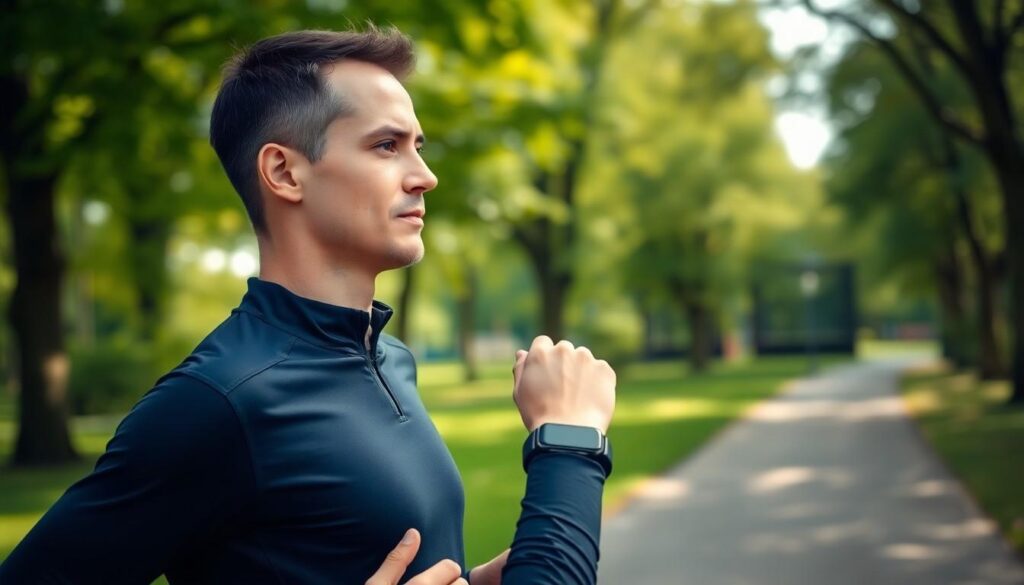
Fitness trackers focus primarily on health monitoring. Devices from brands like Fitbit and Garmin allow users to measure steps, sleep patterns, and workout intensity. Some devices enable goal setting and offer insights based on collected data.
Smart glasses represent another example. Google Glass and Vuzix Blade provide augmented reality experiences, displaying information directly in the user’s line of sight. These devices help with navigation and can enhance productivity in various workplaces.
Wearable medical devices keep individuals informed about their health status. Continuous glucose monitors (CGMs) from companies like Dexcom and Abbott transmit real-time glucose levels to smartphones, aiding diabetes management. Wearable heart monitors can also provide vital data for at-risk patients.
Smart clothing integrates technology into everyday attire. Companies like Under Armour and Nike offer shirts and shorts with embedded sensors that track biometrics. These garments can enhance sports performance and offer feedback post-exercise.
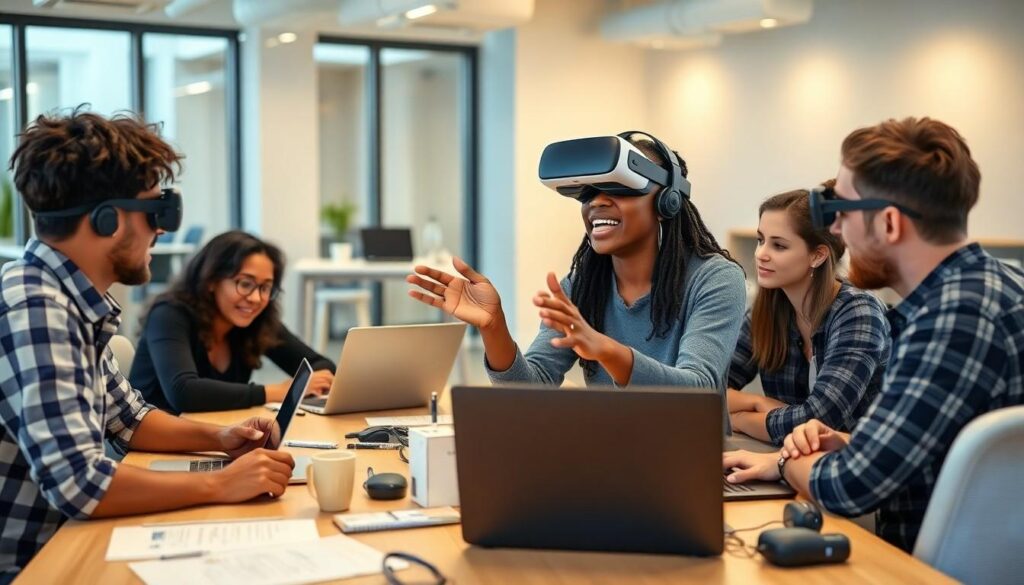
Head-mounted displays (HMDs) are another category of wearable technology. Devices like the Microsoft HoloLens immerse users in virtual environments for training and entertainment. Such technology is often utilized in fields like healthcare and engineering for simulations and real-world applications.
Wearable cameras capture moments hands-free. Brands like GoPro and Insta360 provide cameras designed for action shots and unique perspectives. These devices appeal to adventure seekers and content creators looking to document experiences seamlessly.
Overall, these examples showcase how wearable technology enhances lives by promoting health, facilitating communication, and delivering immersive experiences.
Fitness Trackers
Fitness trackers play a crucial role in monitoring health and promoting active lifestyles. These devices capture various fitness metrics, empowering users to stay informed about their physical well-being.
Popular Brands
Fitbit, Garmin, and Xiaomi are among the leading brands in the fitness tracker market. Fitbit offers a wide range of models featuring heart rate monitoring and sleep tracking. Garmin, known for its GPS capabilities, provides options tailored to athletes and outdoor enthusiasts. Xiaomi combines affordability and functionality, making it popular among budget-conscious consumers. Each brand caters to specific needs while fostering competitive innovation.
Key Features
Health monitoring capabilities are central to many fitness trackers. Most models track steps, calories burned, and distance traveled, offering users a comprehensive view of their daily activity. Heart rate monitoring provides real-time insights, enhancing workout efficiency. Additionally, sleep tracking features analyze sleep patterns, contributing to improved rest and recovery. Many fitness trackers integrate smartphone notifications, allowing users to receive alerts without interrupting their activities.
Smartwatches
Smartwatches stand out in the realm of wearable technology, combining functionality and style while delivering essential features for everyday life.
Comparison of Top Models
Apple Watch, Samsung Galaxy Watch, and Fitbit Versa lead the market with distinct offerings. Apple Watch offers seamless integration with iOS devices, catering to users invested in the Apple ecosystem. Samsung Galaxy Watch excels in battery life and a variety of designs, making it versatile for different lifestyles. Fitbit Versa focuses on health and fitness, featuring a user-friendly interface ideal for tracking workouts. Each model presents unique strengths, providing consumers with options tailored to their preferences.
Health Monitoring Capabilities
Health monitoring features differentiate smartwatches from traditional timepieces. Continuous heart rate tracking allows users to monitor fitness levels throughout the day. Many devices provide notifications for elevated heart rates or irregular rhythms, enhancing health awareness. Sleep tracking also offers insights into sleep quality, helping users establish better habits. Additionally, some smartwatches include blood oxygen monitoring, a valuable feature for fitness enthusiasts. These capabilities contribute significantly to personal health management, empowering users to make informed lifestyle choices.
Smart Glasses
Smart glasses represent an innovative segment of wearable technology, combining augmented reality with practical functions. These devices project information in the user’s field of view, enhancing daily activities.
Use Cases in Everyday Life
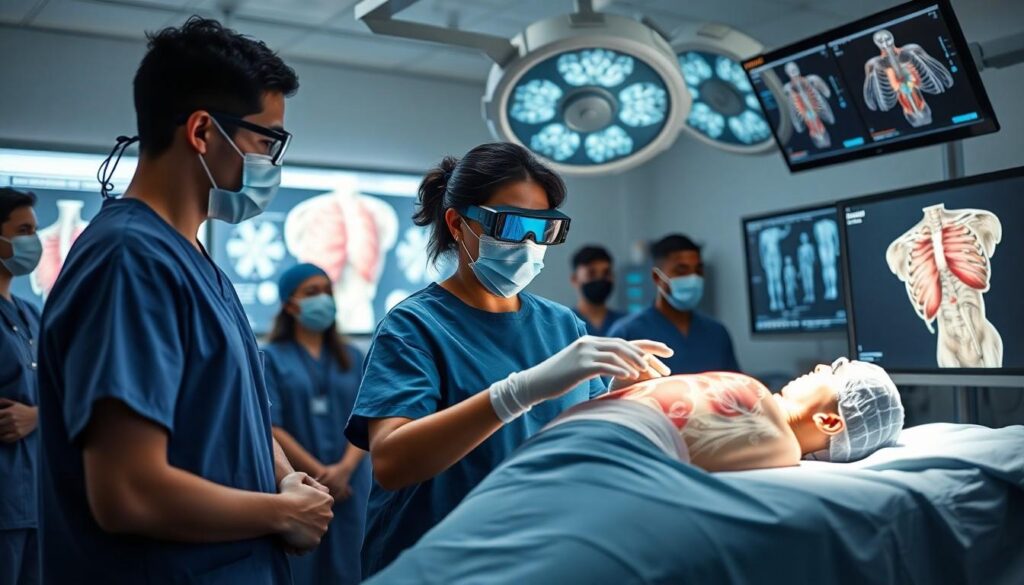
Use cases for smart glasses extend across various fields. Retail workers benefit from hands-free inventory management, streamlining restocking processes. In healthcare, surgeons use augmented reality overlays to enhance precision during procedures. Fitness enthusiasts track metrics like heart rate and distance with ease. Navigation becomes simpler; users receive real-time directions without diverting their attention. Gamers enjoy immersive experiences as smart glasses integrate the virtual world into physical surroundings. Professionals utilize video conferencing capabilities to collaborate effortlessly, showcasing the versatility and practicality of smart glasses in everyday life.
Limitations and Challenges
Limitations and challenges accompany smart glasses. Privacy concerns often arise, especially regarding recording capabilities. Users may feel uncomfortable in public settings, leading to social stigma. Battery life can be insufficient for extended use, necessitating frequent recharging. Additionally, the cost remains a barrier, as premium devices can exceed $1,000. Limited application availability restricts smart glasses usage beyond niche markets. As technology evolves, addressing these challenges becomes crucial for broader adoption and acceptance.
Wearable Medical Devices
Wearable medical devices transform health management through technology. These devices offer continuous monitoring and real-time health data, significantly improving patient care.
Innovations in Health Care
Advancements in wearable medical technology lead to innovative health solutions. Continuous glucose monitors provide diabetics with real-time blood sugar levels, assisting in effective diabetes management. Smart inhalers remind asthma patients to take their medication, promoting adherence to treatment plans. Wearable ECG monitors enable users to track heart rhythms, detecting anomalies early. These technologies not only empower patients but also enhance communication between patients and healthcare providers, improving overall health outcomes.
Impact on Patient Monitoring
Patient monitoring undergoes a significant evolution with wearable devices. Devices like fitness trackers gather vital data, such as heart rate and activity levels, allowing healthcare professionals to tailor treatments effectively. Remote patient monitoring systems provide healthcare teams with critical health information, enabling timely interventions. These systems reduce the need for frequent office visits, offering convenience for patients and easing the burden on healthcare facilities. Wearable technology positions itself as a pivotal element in modern healthcare, contributing to better disease management and proactive care.
Wearable technology continues to reshape how individuals approach health fitness and daily tasks. With innovations like smartwatches fitness trackers and smart glasses becoming integral to everyday life users are empowered to monitor their well-being and enhance their productivity. As advancements in this field progress the potential for even more sophisticated applications in healthcare and personal convenience is immense. The future of wearable technology promises to make lives easier healthier and more connected. Embracing these devices can lead to a more informed lifestyle and a deeper understanding of personal health and performance.