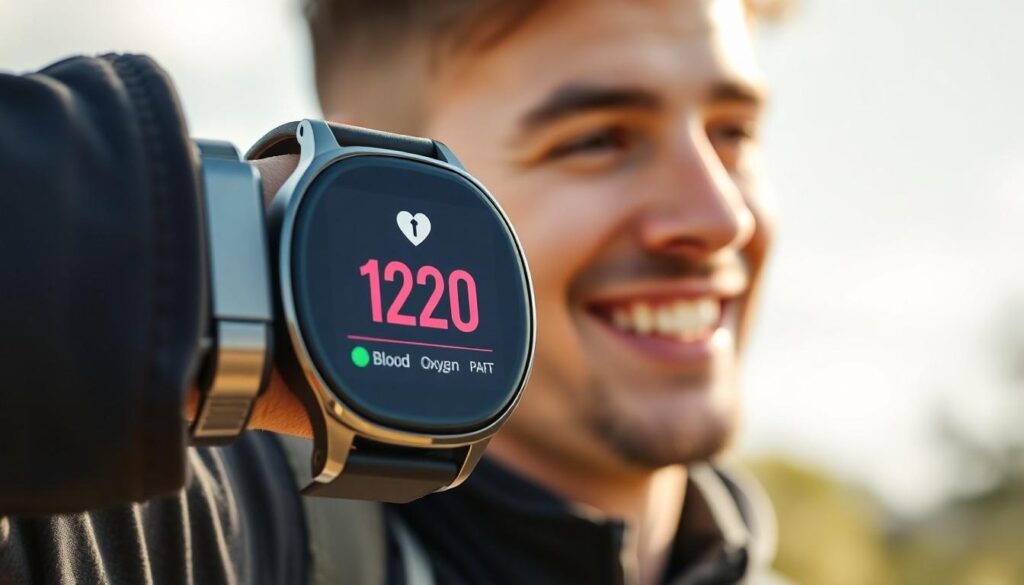
In a world where tracking every heartbeat and step has become second nature, why not keep tabs on your oxygen levels too? Enter the wearable oxygen monitor—the gadget that’s like having a personal health assistant strapped to your wrist. It’s not just for the fitness fanatics or those who enjoy a good hike; this nifty device is perfect for anyone wanting to breathe easy and stay informed about their health.
Imagine strutting around with a device that not only tells you how much oxygen’s in your blood but also makes you look effortlessly cool. It’s like having a mini doctor with you at all times, minus the awkward small talk. Whether you’re an athlete pushing your limits or just someone who wants to avoid the dreaded “I can’t breathe” moment while climbing stairs, a wearable oxygen monitor is your new best friend.
Overview of Wearable Oxygen Monitors
Wearable oxygen monitors track oxygen saturation levels in real-time. These devices provide valuable data for users, ensuring they can maintain optimal health during various activities.
What Is a Wearable Oxygen Monitor?
A wearable oxygen monitor is a portable device that attaches to the body, often worn on the wrist or finger. It measures the percentage of oxygen in the user’s blood, displaying results on a digital screen. By using advanced sensors, these monitors deliver accurate readings, making them essential for everyday health management.
Importance of Oxygen Monitoring
Oxygen monitoring plays a crucial role in maintaining health and identifying potential medical issues. For individuals with respiratory conditions, such as COPD or asthma, awareness of oxygen levels helps manage their conditions effectively. Maintaining optimal oxygen saturation supports physical performance, enhances endurance during exercise, and reduces the risk of complications from low oxygen levels. Regular monitoring enables timely interventions, supporting overall well-being.
Types of Wearable Oxygen Monitors

Wearable oxygen monitors come in various forms, each designed to meet specific needs. They provide critical insights into oxygen saturation levels for users.
Pulse Oximeters
Pulse oximeters represent one of the most common types of wearable oxygen monitors. These devices attach to a fingertip or earlobe, offering quick and non-invasive measurements of blood oxygen levels. Users see results on an easy-to-read digital display. Typical readings fall between 95% to 100% for healthy individuals. Pulse oximeters work well for monitoring conditions such as COPD, asthma, or during exercise. Their portability allows for daily use, ensuring that users monitor their health consistently.
Smartwatches with Oxygen Monitoring Features
Smartwatches featuring oxygen monitoring capabilities integrate advanced health technology into a stylish accessory. These devices track blood oxygen saturation during workouts or daily activities. Users benefit from real-time data, which helps manage their health. Many smartwatches also offer additional fitness features, including heart rate monitoring and activity tracking. Users can expect alerts for low oxygen levels, promoting proactive health management. The combination of functionality and convenience makes these smartwatches popular among fitness enthusiasts and those with health concerns.
Benefits of Wearable Oxygen Monitors
Wearable oxygen monitors provide significant advantages for individuals focused on their health. These devices offer features that enhance both daily life and athletic performance.
Health Tracking and Management
Health tracking plays a vital role in the benefits of wearable oxygen monitors. They facilitate real-time monitoring of oxygen saturation levels. When users experience dips in oxygen, alerts prompt timely action, which is crucial for managing respiratory conditions like COPD and asthma. Consistent monitoring can lead to informed decisions about physical activity and lifestyle. Athletes especially gain insights into their performance, allowing them to adapt training regimes based on oxygen levels. Reliable data promotes overall health management, empowering users to make effective lifestyle adjustments.
Convenience and Accessibility
Convenience significantly enhances the appeal of wearable oxygen monitors. These devices are lightweight and easy to wear, fitting seamlessly into daily routines. Many users choose wrist or finger models for their discreetness and accessibility. Smartwatches equipped with oxygen monitoring features allow users to track their health effortlessly while enjoying a stylish accessory. Additionally, easy-to-read digital screens display oxygen saturation levels clearly, promoting quick assessments anytime. Increased accessibility to oxygen monitoring helps individuals prioritize health without disrupting their activities, ensuring a proactive approach to well-being.
Considerations When Choosing a Wearable Oxygen Monitor
Selecting a wearable oxygen monitor requires careful evaluation of several key factors to ensure optimal performance and user satisfaction.
Accuracy and Reliability
Accuracy stands as a primary concern when choosing a wearable oxygen monitor. Users rely on precise readings to manage health, especially those with respiratory conditions. Specific models report oxygen saturation levels with an accuracy of ±2%. Reliability also plays a crucial role; monitors that consistently deliver accurate readings over time enhance user trust. Consider devices that utilize advanced sensors for improved measurement precision. Many reputable brands undergo rigorous testing and certification, ensuring high standards in accuracy and reliability. Real-time data updates contribute to effective health monitoring, allowing individuals to respond promptly to drops in oxygen levels.
Battery Life and Design
Battery life greatly influences the usability of wearable oxygen monitors. Models that offer at least 24 hours of continuous use between charges provide flexibility for daily activities. A lengthy battery life reduces the frequency of recharging, making these devices more convenient during travel or workouts. Design elements also affect user experience; lightweight and ergonomic styles ensure comfort throughout the day. Sleek designs attract those who value aesthetics alongside functionality. Ability to wear monitors during various activities, from exercise to relaxation, improves overall engagement with the device. Compatibility with different wrist sizes further enhances the appeal for a wide range of users.
Wearable oxygen monitors represent a significant advancement in personal health technology. They empower users to take charge of their well-being by providing real-time insights into oxygen levels. This capability is invaluable for those managing respiratory conditions or striving for peak athletic performance.
With a variety of options available, from simple pulse oximeters to multifunctional smartwatches, individuals can find a device that fits their lifestyle and needs. As these monitors become more accessible and user-friendly, they play a crucial role in promoting proactive health management. Investing in a reliable wearable oxygen monitor not only enhances daily activities but also contributes to overall health awareness and improvement.